
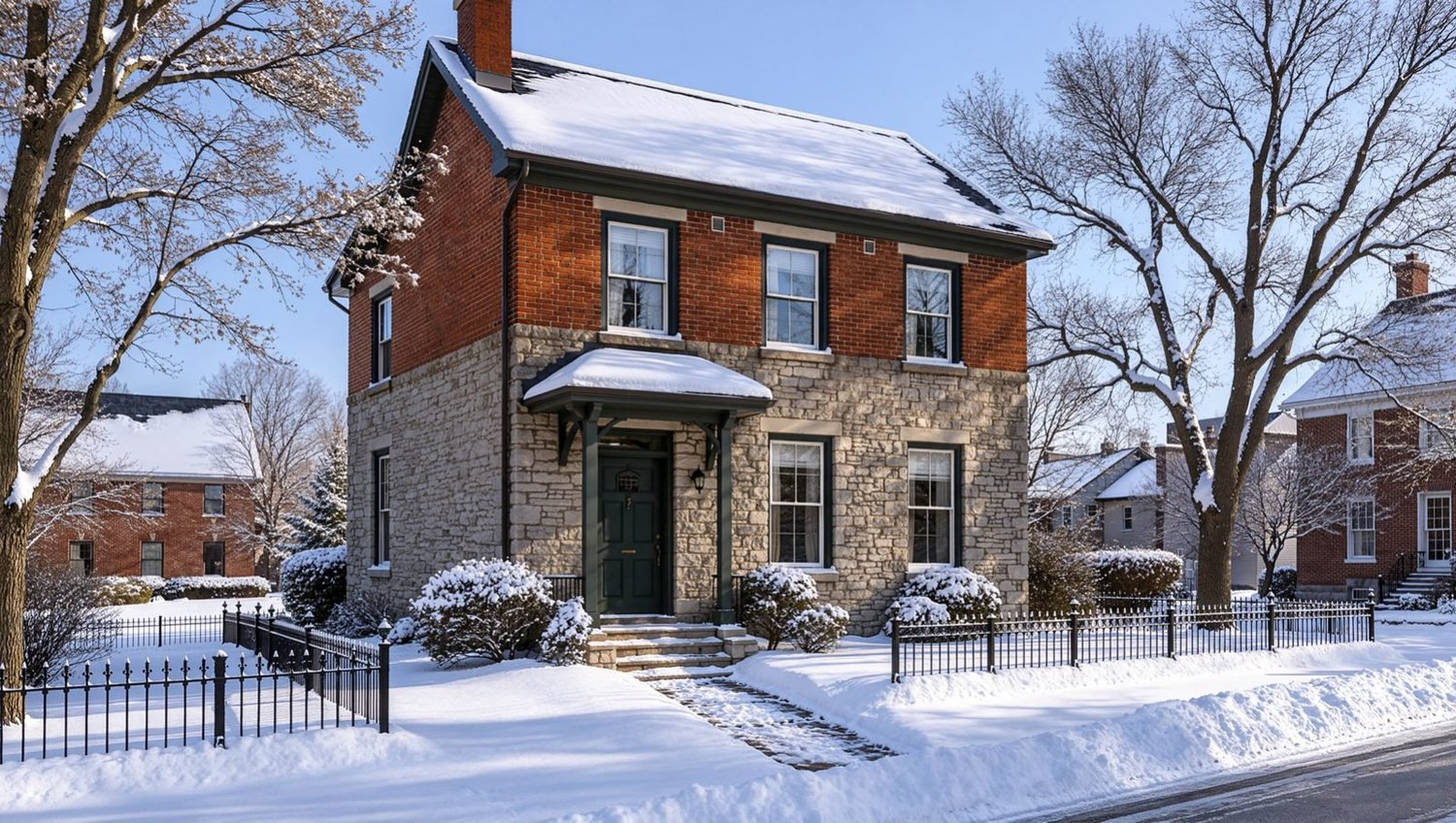
Short answer: Landlord insurance in Ontario is coverage designed for a property you rent to others, and it is not the same as a regular homeowner policy. If you start renting out a home, tell your insurer, because a standard policy may not respond the way you expect once tenants move in. Confirm the details with a licensed insurance broker.
At a glance
- Tell your insurer before a tenant moves in
- A homeowner policy may not cover a rented property
- Landlord policies commonly cover the building, liability, lost rent and your contents
- Tenant insurance protects the tenant's belongings, not your building
- Ask your broker about vacancy, renovations and lender requirements
Is landlord insurance mandatory in Ontario?
Many owners search "is landlord insurance mandatory in ontario" and want a one-word answer. In general, it is not required by law. Other parties often do require it, though. A mortgage lender may make coverage a condition of the loan, and a condo or other agreement may set insurance requirements too.
Check your mortgage documents and any agreements tied to the property, then confirm with a broker. Even where nothing requires it, going without coverage leaves you carrying the full cost of a loss.
Why might a homeowner policy not cover a rented property?
A homeowner policy is written on the assumption that you live in the home. Renting it out changes the risk, and an insurer who doesn't know the property is rented may question a claim when you can least afford it.
The simple fix is to tell your insurer, ideally in writing, before a tenant moves in. Ask how they treat the property once it is rented and whether you need a different policy. This matters most if you are turning your former home into a rental.
What does rental property insurance in Ontario commonly include?
Policies vary by insurer, so use this as a list of general categories to discuss with your broker:
- Building: the structure itself, such as walls, roof and fixed systems, against the risks the policy lists.
- Liability: protection if someone is injured on the property or you are held responsible for damage to others.
- Loss of rental income: may help replace rent if a covered event makes the unit unlivable. Ask what counts as covered.
- Landlord-owned contents: items you supply, such as appliances or window coverings. Your tenant's belongings are not included.
Exclusions, limits and conditions differ, so read the policy wording before you buy.
Why does tenant insurance matter too?
Your policy protects your building and your liability. It generally isn't designed to protect a tenant's belongings or replace the tenant's own coverage. Tenant insurance typically covers the tenant's possessions and their own liability, which can help if a tenant accidentally causes damage.
That is why PPM requires tenants to carry insurance. In Kingston, where many rentals are older homes or student rentals near Queen's University and St. Lawrence College, it is a practical way to reduce gaps and disputes.
Thinking about renting out a property in Kingston? Request a free rental assessment or call 613-851-5789.
What about vacancy and turnover?
Insurers may treat an empty unit differently from an occupied one. Turnover periods, renovations and unoccupied winter stretches are all worth raising in advance.
Before a unit goes vacant:
- Ask your broker how the policy treats an empty unit and whether anything changes during planned vacancy.
- Ask whether renovations between tenants affect your coverage.
- Keep the heat on and have someone check the property regularly, since frozen pipes are a real concern in an Eastern Ontario winter.
- Keep records of inspections and maintenance in case you ever need to make a claim.
What questions should I ask my insurance broker?
- Does my current policy still apply now that the property is rented, or do I need a landlord policy?
- What does it cover for the building, liability, lost rent and the contents I supply?
- What are the exclusions, especially around tenants, vacancy and renovations?
- Does my lender, or any condo or other agreement, require specific coverage?
- How do I report a claim, and what records will you need?
Common questions
Do I need to tell my insurer if I rent out my house?
Yes, you should. A policy written for an owner-occupied home may not respond as you expect once the property is rented. Tell your insurer and ask for their guidance in writing.
Does my tenant's insurance replace my landlord insurance?
No. They protect different interests. Your policy relates to your building and your liability, while a tenant's policy typically covers their belongings and their own liability.
Is landlord insurance the same as rental property insurance?
The terms are generally used interchangeably for coverage on a home you rent to tenants. Names and packages vary, so ask your broker what a specific policy includes.
Does Ontario law require landlord insurance?
In general, it is not required by law, but lenders, condo agreements or other contracts may require it. Confirm with a broker, and see Ontario's renting rules for the legal side of renting.
Ready to talk about your rental?
Insurance is one piece of the picture. Since 1998, PPM has helped owners with residential property management, including routine inspections and maintenance for owners through approved, insured, WSIB-covered contractors.
If you own a rental in Kingston or Eastern Ontario, request a free rental assessment or call 613-851-5789.
This article is general information, not legal, tax or insurance advice. Speak with a licensed professional about your own situation.